Temporary hair removal methods
Tired of repeating the same shaving, waxing or threading routine? Temporary methods remove hair for a while, but regrowth and upkeep remain. Each has limitations. Understand those trade-offs, then explore EBVHCM with Valeda if you want to discuss a permanent alternative.
Shaving & trimming: a routine that keeps returning
Visible regrowth means repeated upkeep. Shaving can cause cuts, razor burn and ingrown hairs; trimming leaves short hair rather than smooth skin. Shaving does not increase hair thickness or growth speed.
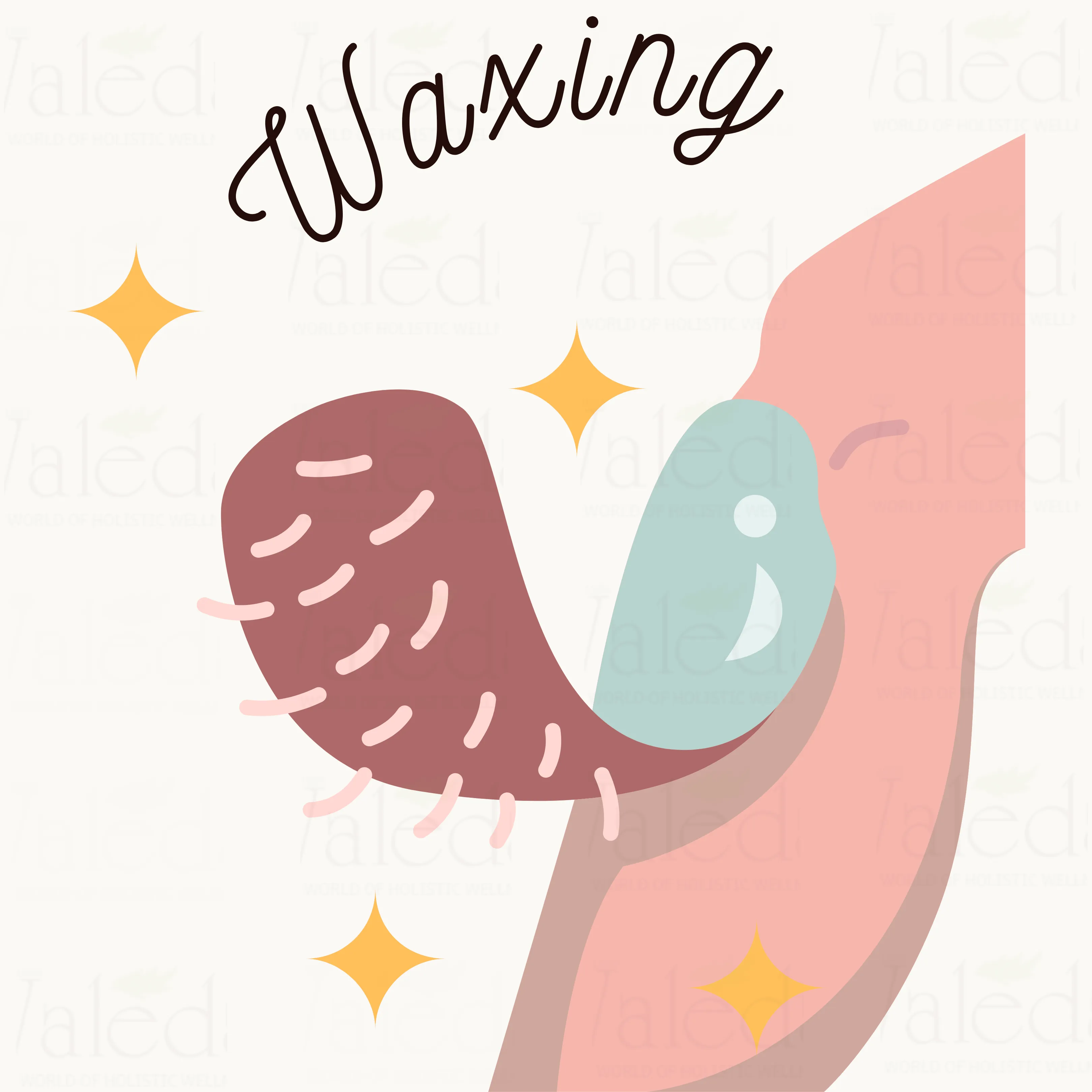
Waxing: discomfort and skin risks
Pulling hair out can hurt. Redness and irritation can follow, and overheated wax can burn. Avoid waxing sunburned skin. Some acne medicines increase the risk of skin tearing: check with your clinician first.
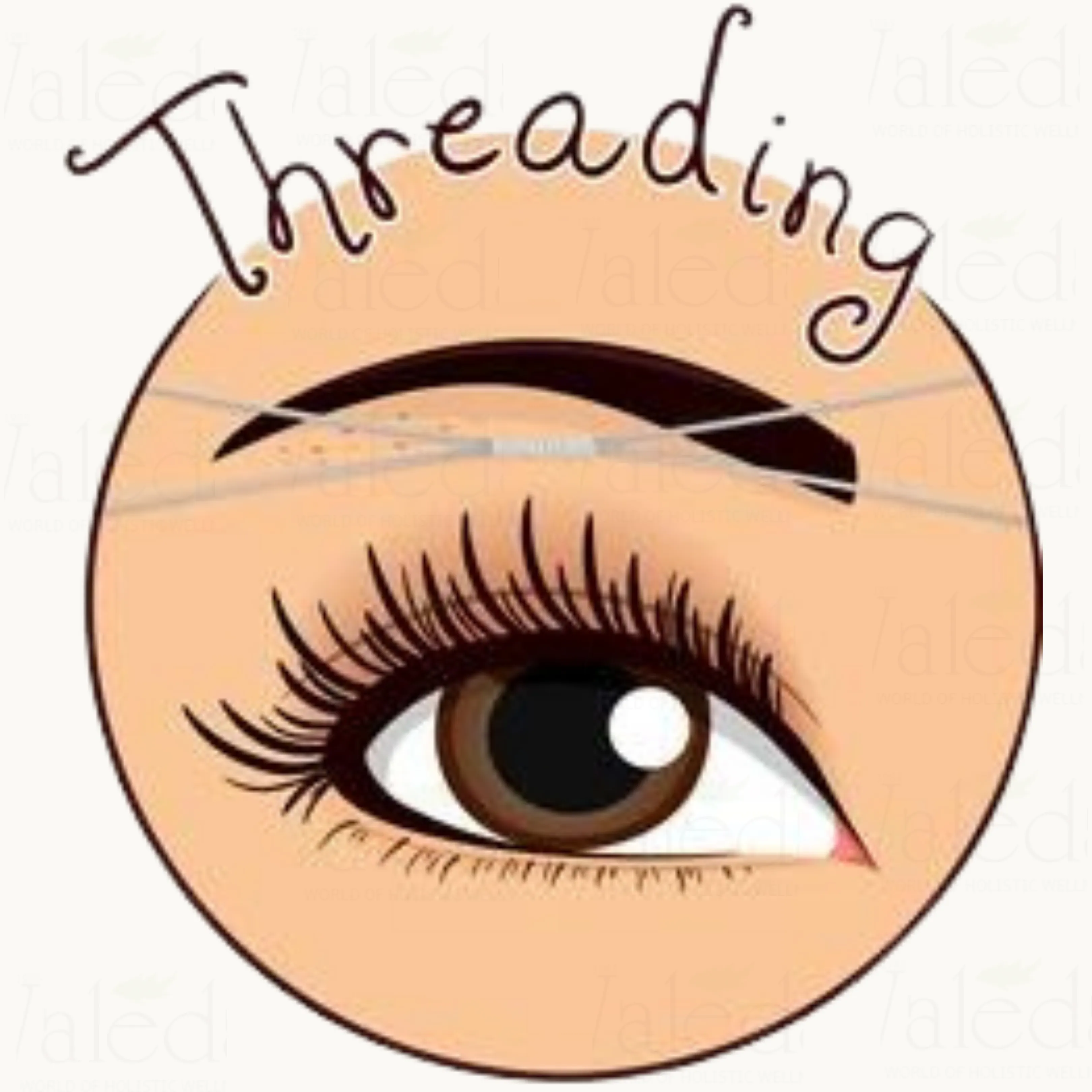
Threading: limited to smaller areas
Threading can suit small areas, but is impractical for larger ones. Inexperienced technique can leave uneven shaping or ingrown hairs. It does not prevent regrowth, so repeat visits remain part of the routine.
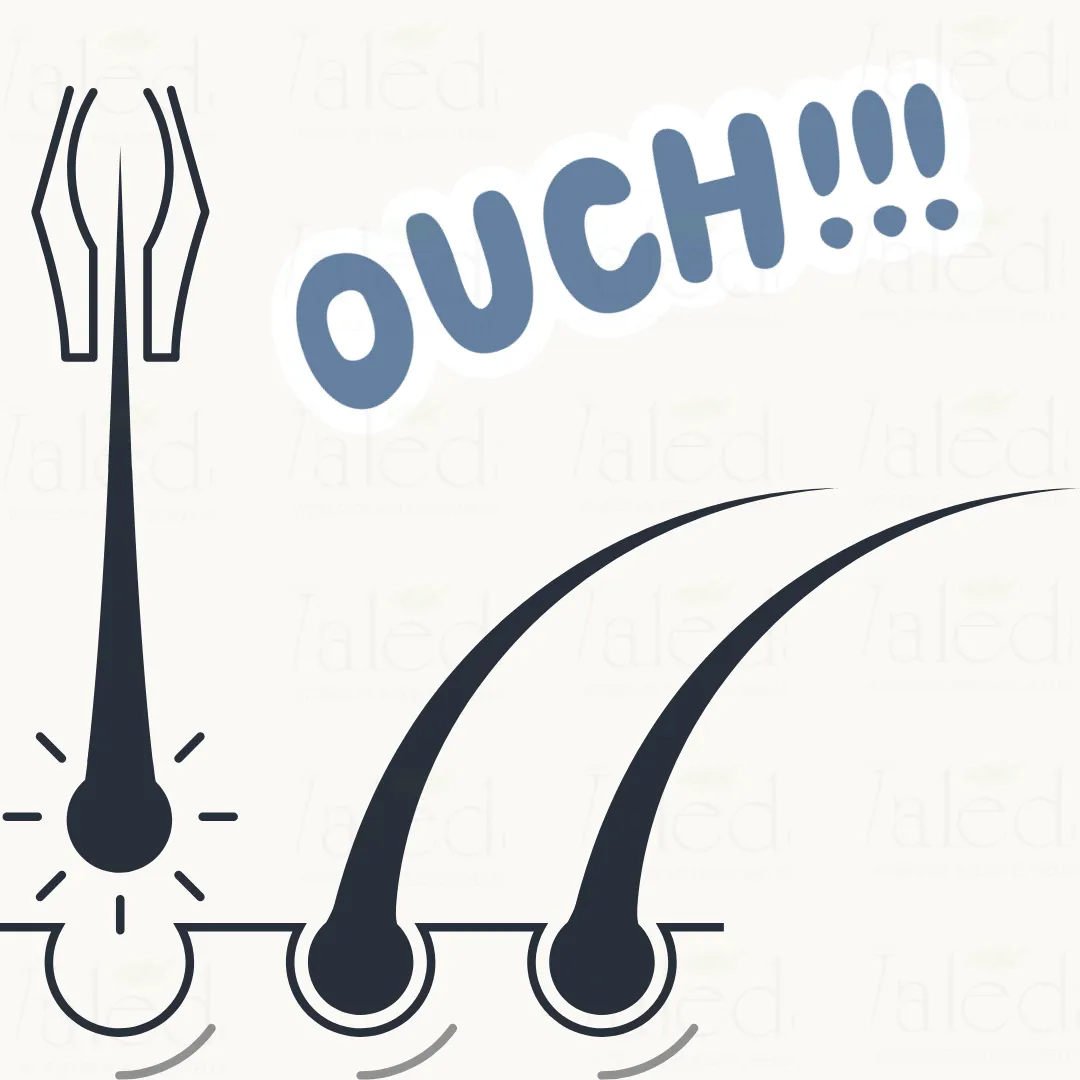
Tweezing & plucking: slow, repetitive work
Removing individual hairs takes time when there are many. Plucking can cause follicle inflammation, infection or changes in skin colour. Hair can return; this is not a permanent treatment.
Depilatory creams: irritation and precautions
Creams can irritate skin. Test first and follow the label’s body-area and timing instructions. Rinse thoroughly at the first burning or stinging sensation. They still provide temporary removal.
The recurring time-and-cost cycle
Razors, products, salon appointments and travel all take time. Bring your actual spending to a consultation to compare options. EBVHCM also involves appointments and costs; savings or a completion date cannot be promised without an individual assessment.
Your questions
Do I have to remove body hair?
No. Removing hair, shaping it or leaving it alone is a personal choice. Start with your own comfort and goals.
What should I ask before switching methods?
Ask about suitability for the exact area, product precautions, likely upkeep and what to do if your skin reacts. Bring the product label and a list of medicines you use.